Premium Payment Options for Life Insurance: What You Need to Know
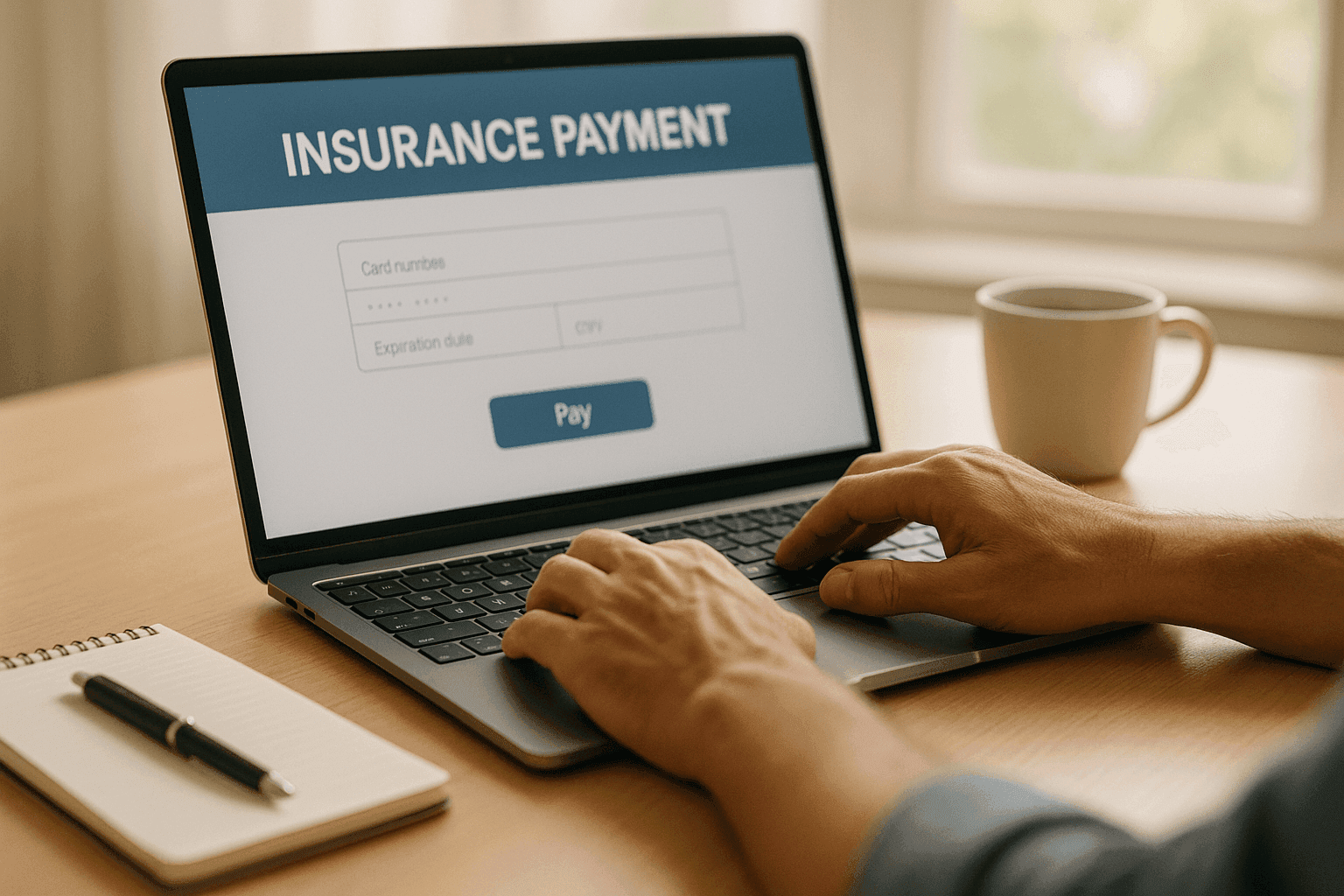
Life_insurance is one of the most important safety nets you can put in place for your family, your business, or even your employees. But even the best policy can tumble if payments are missed or misunderstood. Payment options aren’t just about convenience—they’re about keeping your financial promises, no matter what life throws your way.
At O'Insurance Market, we guide both individuals and businesses through the maze of premium payment options near you. Let’s break down what you need to know, so your policy stays strong, on time, and worry-free.
Common Payment Frequencies
Life_insurance shouldn’t feel like a guessing game. One of the first choices you’ll make after picking a policy is how often to pay your premium. Think of it like choosing the beat for your financial drum—steady, manageable, and tailored to your life’s rhythm.
The standard options include:
- Annual: One payment per year. Simple. One-and-done for the year ahead.
- Semi-Annual: Two payments a year—every six months.
- Quarterly: Four payments per year. Great for steady cash flow.
- Monthly: Twelve smaller payments. Easy to fold into a monthly budget.
For both individual and group life_insurance plans, these frequencies are standard. Some plans even allow for custom schedules, especially for business life_insurance or executive bonus arrangements. And with most carriers, you can change your payment frequency during policy anniversaries or renewal periods.
Digital payment methods are also becoming standard:
- Online banking portals
- Mobile apps
- Auto-debit from checking or savings
- Electronic bill pay
- Credit or debit cards (check for processing fees)
These tools mean you can manage your payments from anywhere—no more paper checks or last-minute trips to the mailbox.
Pros and Cons of Each Option 🕒
Just like picking the right shoes for a long walk, your payment frequency should fit your path and pace. Here’s what to consider:
Annual Payments
Pros:
- Usually the lowest total cost—insurers often reduce fees for lump-sum payments.
- One less bill to remember each month.
- Great for those with bonus season or tax refunds.
Cons:
- Large upfront cost. Not ideal if your budget is tight.
- If you forget, coverage could lapse for a whole year.
Semi-Annual & Quarterly Payments
Pros:
- Smaller installments than annual.
- Budgeting is a bit easier, especially for seasonal income.
- Keeps your policy top-of-mind throughout the year.
Cons:
- Slightly higher total premiums (some insurers add small administrative fees).
- Still requires planning for bigger payments a few times a year.
Monthly Payments
Pros:
- Easiest on monthly budgets.
- Perfect for those paid on a regular schedule.
- Less risk of large one-time payment shocks.
Cons:
- Can cost a bit more over the year due to processing fees.
- More opportunities to miss a payment—especially if you change banks or cards.
For group policies, employers can often coordinate payments directly with payroll, making things seamless for employees.
Setting Up Automatic Payments
Life gets busy. Automatic payments are like cruise control for your policy—steady, reliable, and designed to keep you moving.
How to Set Up Auto-Pay
- Contact your insurer or agent at O'Insurance Market to enroll.
- Provide payment details—bank account, debit card, or credit card.
- Choose your schedule—monthly, quarterly, etc.
- Confirm setup—always ask for a confirmation email or letter.
Tip: Double-check that your payment dates don’t land right before holidays or big expenses. It’s easy to overlook bills during busy seasons.
Benefits of Auto-Pay
- Reduces the risk of missed payments.
- Often comes with reminders or alerts.
- Some insurers offer small discounts or waive certain fees for auto-pay users.
Remember: Always update your payment info if you change banks or get a new card. If a payment bounces, your policy could be at risk.
Preventing Missed Payments or Lapses 🛡️
Missing a single payment can be like tripping on the last step—small, but with big consequences. A policy lapse can mean losing years of protection and cash value. Here’s how to keep your footing:
Smart Strategies
- Set calendar reminders—paper or digital.
- Use auto-pay for peace of mind.
- Check statements monthly to spot issues early.
- Update your contact info so you never miss notifications.
- Ask about grace periods—most policies offer 30–31 days, but don’t rely on it.
Budgeting Tips
- Treat your premium like a utility bill—non-negotiable.
- Build a “premium buffer” into your savings, especially if your income varies.
- For business or group policies, coordinate with payroll or HR to ensure seamless deductions.
What Happens if You Miss a Payment?
- Grace period: Most insurers allow 30 days to catch up. After that, your policy could lapse.
- Reinstatement: You may be able to restore a lapsed policy, but there could be additional paperwork, fees, or even new medical exams.
- Cash value draw: Some permanent policies may dip into accumulated cash value to cover a missed payment—but this can erode your policy’s value over time.
According to the National Association of Insurance Commissioners (NAIC), timely payments are the #1 factor in keeping your policy in force. Don’t let a forgotten payment undermine years of planning.
Premium Payment Flexibility & Policy Retention
Flexibility in premium payment options isn’t just for convenience—it’s a tool to help you keep your coverage for the long haul. Here’s why:
- Fits your cash flow: Choose a frequency that matches your paydays.
- Adjust as life changes: Income up or down? Switch schedules at renewal.
- Reduces stress: No more scrambling for large sums unexpectedly.
For group and business life_insurance, flexible payment options also help with employee satisfaction and retention. When coverage is easy to manage, participation rates stay high.
Real-World Tips for Individuals and Businesses
- Review payment schedules before the holidays or tax season. Budgets get tight, and it’s easy to lose track.
- For business owners: Sync premium payments with your business cash flow. Consider using trust services or executive bonus plans for added flexibility.
- For seniors: Opt for payment dates that align with Social Security or pension deposits.
- For families: Coordinate life_insurance payments with other recurring bills to simplify budgeting.
Frequently Asked Questions
What if my payment is late?
You’ll usually have a 30-day grace period, but don’t wait. Late payments can lead to lapses, and reinstatement isn’t always guaranteed.
Can I change my payment frequency later?
Yes, most insurers allow changes at policy anniversaries or upon request. Check with your O'Insurance Market advisor for details.
Are digital payments secure?
Reputable insurers use bank-level encryption and multi-factor authentication. Always use official portals or apps, and avoid public Wi-Fi when paying.
Will setting auto-pay affect my coverage?
No—it just ensures on-time payment. But always make sure your account has funds to avoid declined transactions.
Seasonal Reminders and Local Considerations 🗓️
As the year winds down, schedules fill up—holidays, end-of-year bonuses, tax prep. It’s the perfect storm for overlooked bills. Set a reminder in November and April to double-check your life_insurance payment schedules. This is especially important for business owners juggling payroll, or families with fluctuating holiday expenses.
If you ever move, change banks, or update your email, notify your insurer right away. A missed notice can mean a missed payment.
Conclusion: Keep Your Life_Insurance Strong
At O'Insurance Market, we believe your life_insurance policy should be a source of confidence—not stress. Choosing the right premium payment option is the first step toward lasting protection for yourself, your loved ones, or your business.
Questions about premium payment options near you? Want help setting up auto-pay or reviewing your policy?
Call O'Insurance Market now — or reach us anytime at 855-578-5024 .